

Exploring Boxes: The Good, the Bad & the Ugly™
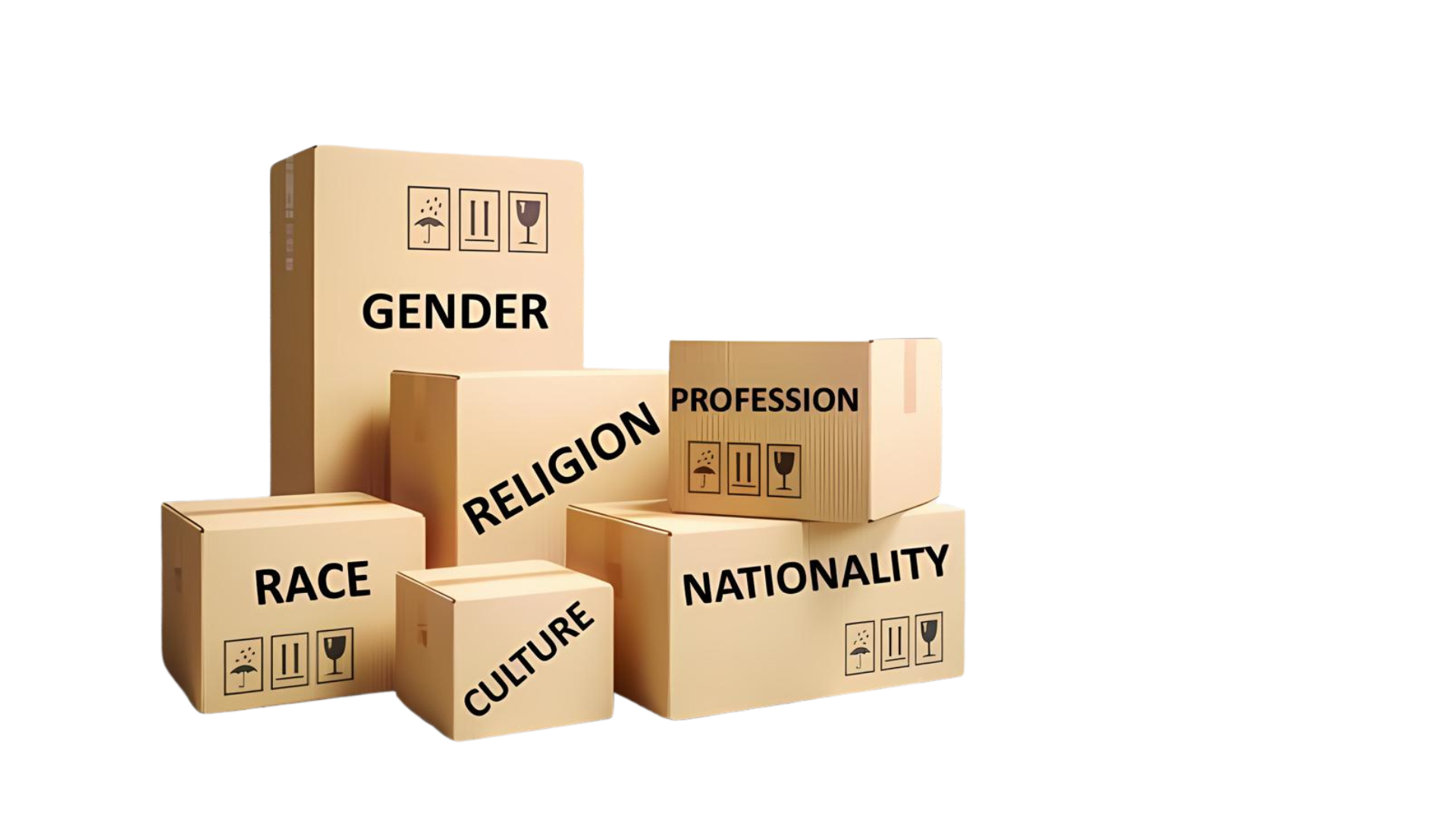
“Exploring Boxes helps us become curious about what is moving beneath the surface: the interpretations we make, what they protect or provide, and what becomes possible when they are no longer the only place we can see from.”
A methodology for recognising the invisible boxes that shape how we see ourselves, other people and the world around us.
We may all be in the same room. That does not mean we are experiencing the same reality. Our boxes have already started interpreting it for us.
One person sees caution.
Another sees resistance.
One sees confidence.
Another sees arrogance.
Someone hears a useful challenge.
Someone else hears criticism.
And all of this can happen in a few seconds.
Beneath the polite nodding and strategic sipping of coffee, we are interpreting, comparing, reading the room and deciding whether it is safe to speak—all while trying to remain safe and accepted.
History, identity, status, belonging and self-protection are quietly dancing beneath the surface, occasionally stepping on one another’s toes.
Most of us no longer notice the dance.
We simply experience our interpretation as reality.
Exploring Boxes invites us to pause and ask: What box might I be looking from?
Why do we create boxes?
The Good, the Bad & the Ugly
What drives our boxes?
Exploring—not escaping
What box might you be looking from?
Where Exploring Boxes began
Boxes help us make sense of a complicated world.
They help us recognise patterns, learn from experience, create belonging and make decisions without starting from scratch every morning.
A box may be something others place around us:
Too old. Too young. Too emotional. Not leadership material.
It may be something we place around someone else:
Difficult. Unreliable. Always negative.
Or something we have accepted about ourselves:
I must always be strong. I am not creative. It is my job to keep everyone happy.
The box is not automatically the problem.
The problem begins when the box becomes the only place from which we can see.
Every box has the potential to be Good, Bad or Ugly.
The Good Box supports us.
-> It may provide confidence, identity, belonging, motivation or purpose.
The Bad Box begins to limit us.
-> It narrows what we notice, expect or believe is possible.
The Ugly Box causes harm—to ourselves or others.
-> It can lead to control, exclusion, humiliation or discrimination.
These are not three different boxes.
The same box can move from Good to Bad to Ugly depending on the situation, our behaviour and its impact.
Our boxes rarely appear from nowhere.
They may be shaped by our history, perceptions and desire for safety, status, belonging, understanding, experience or achievement.
Usually, more than one driver is involved.
Human beings do enjoy making simple situations surprisingly crowded.
The question is not only:
What box am I in?
It is also:
What is this box protecting or providing—and is it still supporting me?
The goal is not to become boxless.
When we began developing Exploring Boxes, we quickly realised that becoming boxless would be impossible—and frankly rather exhausting.
The goal is to recognise the box, understand what it provides and create space for more than one interpretation.
Because the moment we can see the box, it is no longer the only place available to us.
Exploring Boxes does not give us a final answer about who we are.
It gives us better questions:
What am I assuming?
Where might that interpretation have come from?
What is it helping me protect?
What else might be true?
What becomes possible if I look again?
That is where awareness begins.
And where more conscious choices become possible.
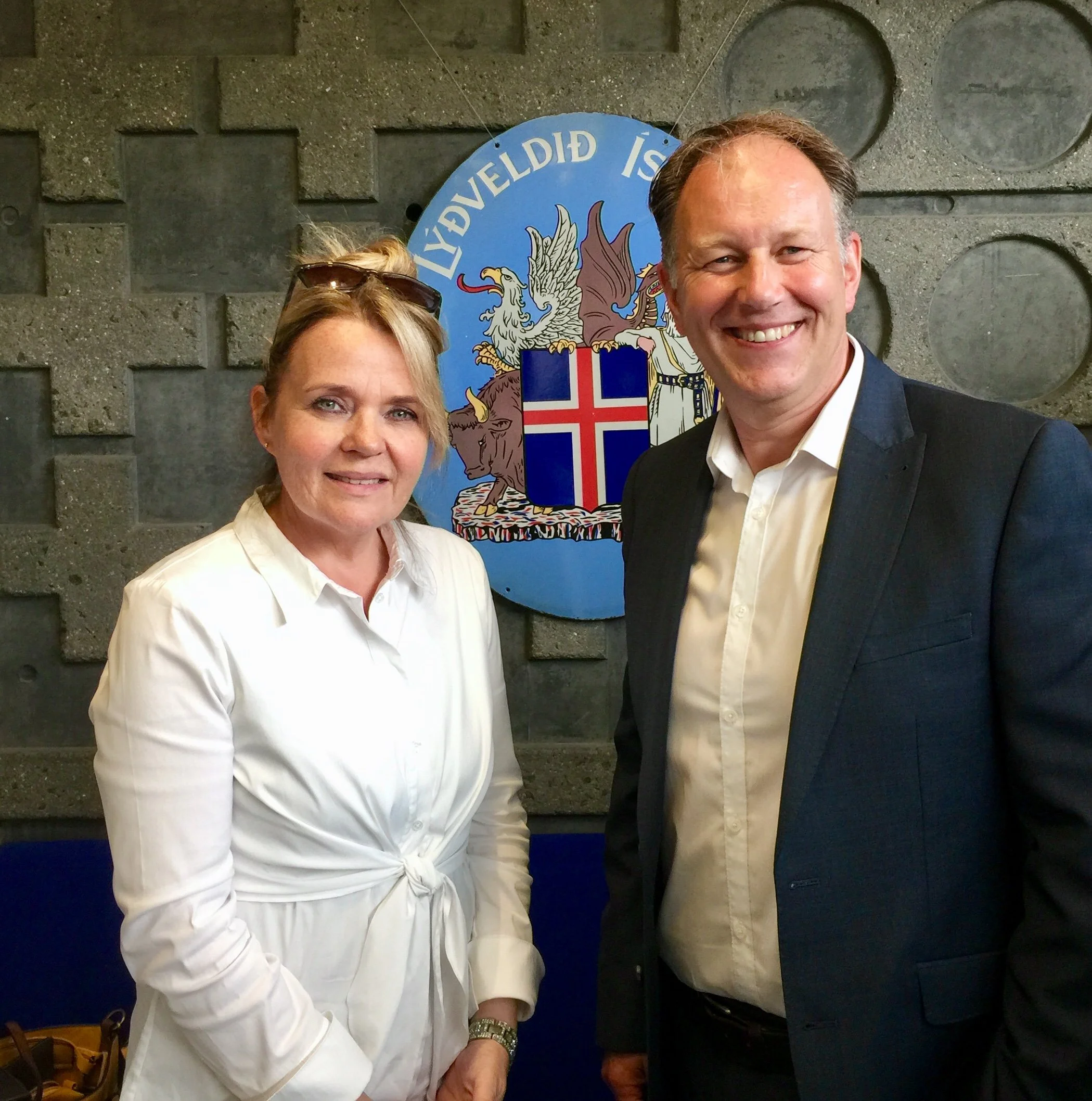
Exploring Boxes: The Good, the Bad & the Ugly™ was co-created by Rúna Magnúsdóttir and Nicholas Haines.
It grew from the original No More Boxes movement and the ideas explored in their book, The Story of Boxes: The Good, the Bad and the Ugly.
What began as a conversation about the boxes society places around people became a practical methodology for exploring the boxes we place around ourselves, others and what we believe to be true.

FAQ
Frequently Asked Questions
-
We often repeat the same patterns because, rather inconveniently, they are still doing something useful for us.
Taking responsibility for everything may make us feel needed. Avoiding conflict may help us remain accepted. Controlling every detail may create a sense of safety—although the people around us may have another word for it.
Exploring Boxes describes these familiar interpretations and responses as boxes. Most were not created because something was wrong with us. They developed because, at some point, they helped us feel safe, valued, understood or included.
The trouble begins when a familiar response becomes automatic. We stop noticing that we are choosing it. It simply feels like who we are—or how the world works.
That is why telling ourselves to “stop doing it” rarely works for long.
A more revealing question is:
What is this pattern still protecting or providing—and do I still need it to do the job?
We do not change a pattern by judging it.
We begin by becoming curious about why it keeps turning up for work.
-
Criticism rarely arrives alone. It tends to bring our history, identity and insecurities with it—along with several pieces of emotional hand luggage we had forgotten we packed.
Someone says:
“This part could be stronger.”
But what we hear may be:
They do not trust me.
I am not good enough.
I am losing control.
Perhaps I should update my LinkedIn profile.The feedback is the event. Everything that happens inside us afterwards is our interpretation of it.
Exploring Boxes helps us notice the difference.
Defensiveness is not necessarily a character flaw. It may be an automatic attempt to protect our competence, status, belonging or sense of safety. The problem is that while we are busy defending ourselves, we may completely miss what was actually said.
The aim is not to become so wonderfully self-aware that criticism never bothers us again. Good luck with that.
It is to create enough space to ask:
What was actually said—and what did my boxes add to it?
Sometimes the most uncomfortable part of feedback is not the feedback itself.
It is the story we manage to build around it in under three seconds.
-
People rarely resist change because they woke up that morning and decided to become the difficult person in the room.
What looks like resistance may be someone trying to protect their competence, status, belonging, independence—or the reassuring feeling that they still know what on earth is going on.
Perhaps they have seen a similar bright idea fail before. Perhaps the change threatens something that matters to them. Or perhaps nobody thought to involve them until the PowerPoint was finished and the decision had already been made.
Exploring Boxes invites us to look beneath the behaviour.
Instead of asking:
Why are they resisting?
We might ask:
What does this change look like from the box they are looking through—and what might they be afraid of losing?
This does not mean every objection is wise or every change should be stopped. Sometimes resistance is resistance.
But when we label someone negative, difficult or stuck in the past, we may climb rather comfortably into a box of our own.
Understanding what the other person is protecting does not remove the need for change.
It may, however, make an honest conversation about it possible.
-
Human beings are remarkably quick at working other people out.
One difficult conversation and someone becomes difficult. One emotional moment and they are too emotional. One hesitation about a new idea and suddenly they are resistant to change.
Very efficient. Not always terribly accurate.
Labels help us make sense of a complicated world. They can give us language, identity and belonging.
But a label can also become a box.
Once we have placed someone in it, we start noticing everything that proves us right—and become strangely blind to whatever does not.
The person may not have changed.
Our view of them has simply become smaller.
Exploring Boxes does not ask us to stop categorising people altogether. We are human. We would probably create a box for people who refuse to use boxes.
It asks us to remember that our label is an interpretation—not the whole person.
A useful question is:
What might I notice about this person if I became curious again?
Labels become dangerous when they stop helping us understand people and start deciding, in advance, who we believe they are—and what we believe they can become.
-
Yes. In fact, our strengths often make excellent hiding places for our blind spots.
Responsibility is useful—until we take responsibility for everything.
Confidence helps us lead—until we become certain we are right.
Empathy connects us—until we use it to avoid saying what needs to be said.
Decisiveness creates momentum—until nobody else gets a say.
Independence serves us beautifully—until asking for help feels like a personal failure.The tricky part is that the strength still feels like a strength from inside the box.
Exploring Boxes describes how the same quality can move through the Good, the Bad and the Ugly.
In its Good expression, it supports us and the people around us. In its Bad expression, it begins to limit our choices. In its Ugly expression, it can control, exclude or harm others—usually while we are still busy explaining how helpful we are being.
The strength is not the problem. We do not need to get rid of it.
We need to notice when we are using it because the situation calls for it—and when we are using it because it is where we feel safest.
A useful question is:
Is this strength serving the situation—or is the situation now serving my strength?
Awareness allows us to keep what is valuable without letting our favourite strength run the entire show.